

The line between travel and living is blurring. Whether it’s the digital nomad on a six-month visa, the corporate executive on a relocation package, or the wellness seeker on a month-long reset—today’s guests aren’t just checking in, they’re settling in.
Long-stay travel isn’t a trend. It’s a shift in lifestyle—and the hospitality industry must evolve to meet it.
The Rise of the “Temporary Local”
Data from Airbnb shows a 90% increase in long-term bookings (28 days or more) compared to pre-pandemic levels. Marriott’s “Apartments by Marriott Bonvoy” and Accor’s “WOJO” coworking + living hybrids aren’t just pilots—they’re strategic pivots. Hotels globally are now catering to travelers who want to live like locals—without sacrificing the comfort of hospitality.
These aren’t guests asking for a wake-up call—they’re asking for grocery delivery, high-speed WiFi, a yoga class, and maybe even a space to take their pet.
How Hotels Are Adapting
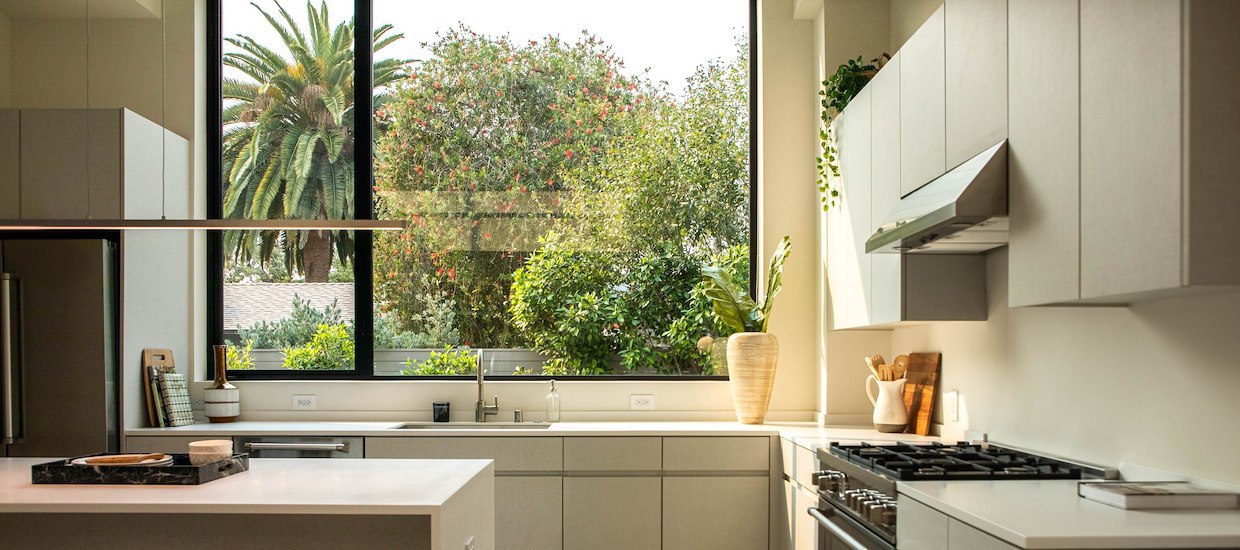
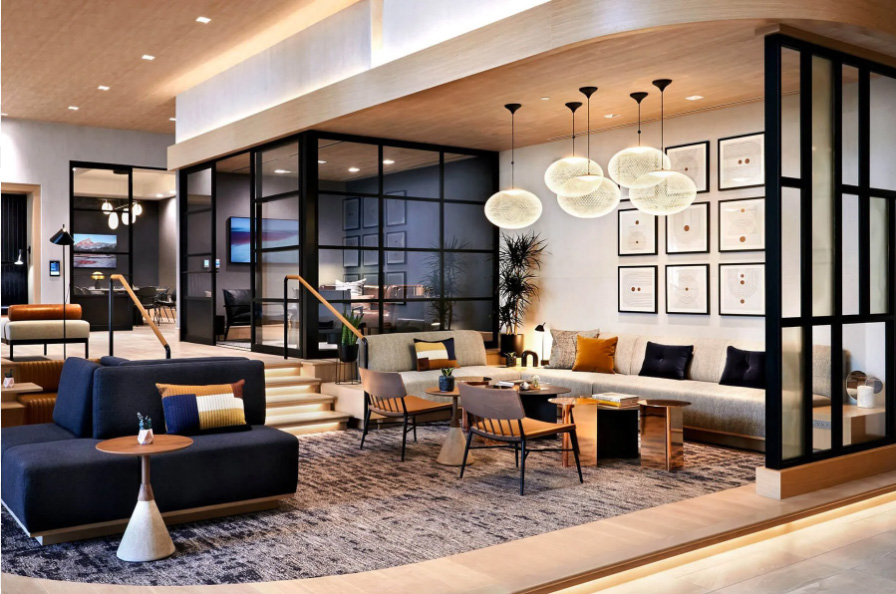
1. Marriott International: Apartments by Marriott Bonvoy
In 2023, Marriott launched this brand to target travelers staying a week or more. The concept? Spacious units, full kitchens, laundry, and communal lounges—blending the autonomy of home with the standards of a hotel brand.
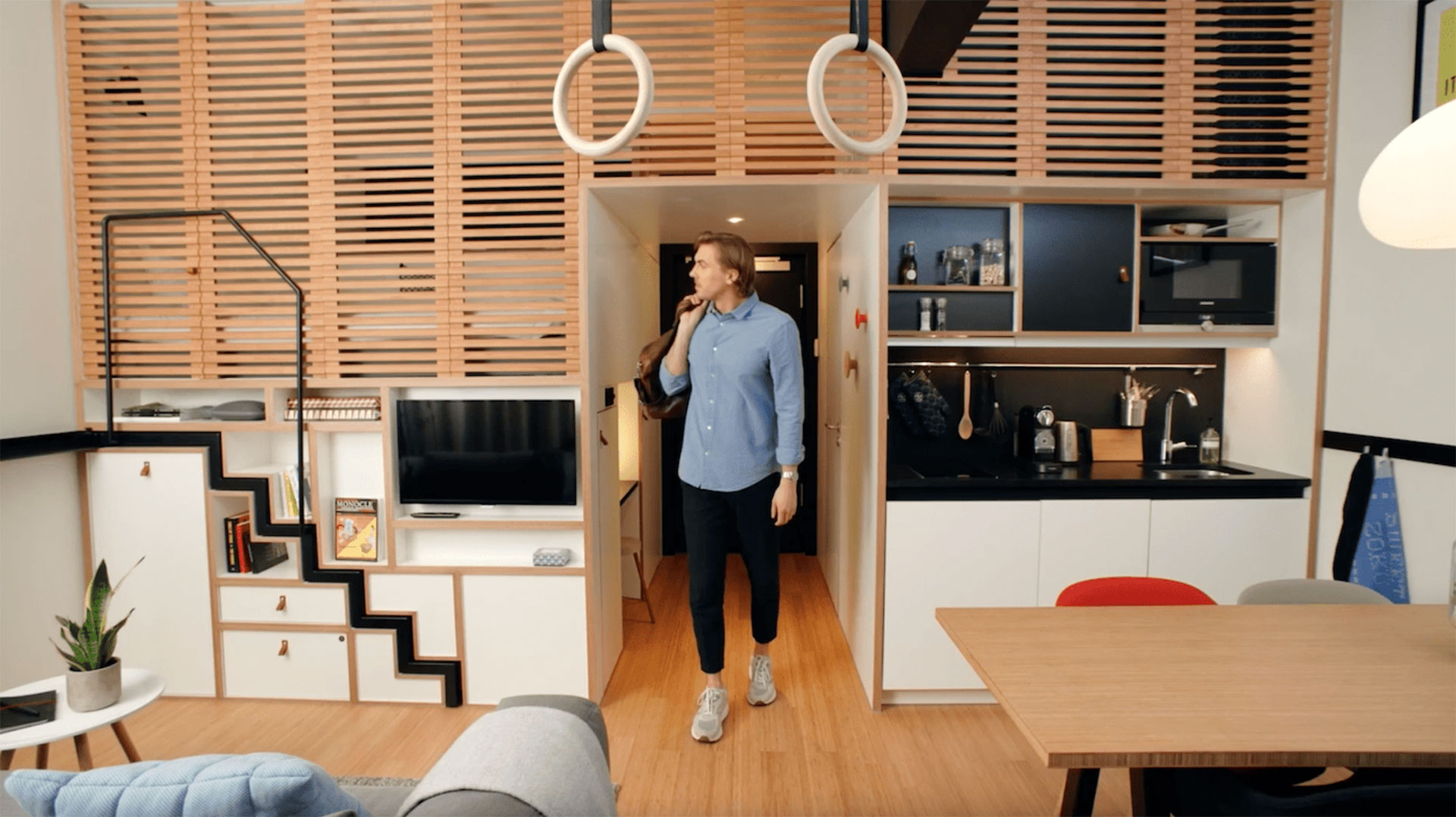
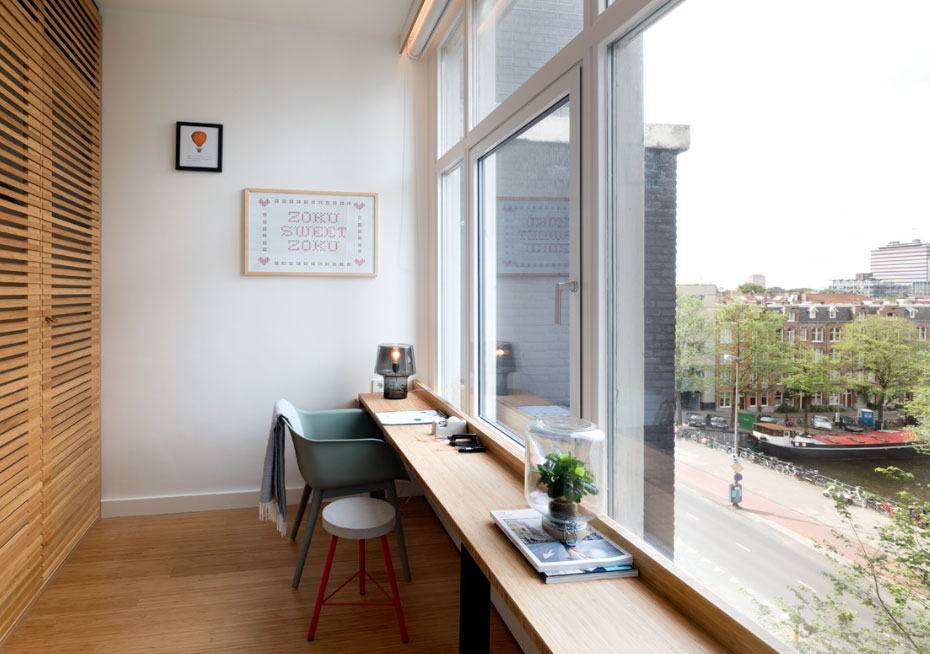
2. Zoku Hotels, Europe
A leader in hybrid long-stay living, Zoku’s “loft” concept in Amsterdam, Copenhagen, and Vienna transforms a room into a live-work-sleep space. Guests can stay for a day—or a year—with communal kitchens, social spaces, and co-working zones driving a true local connection.
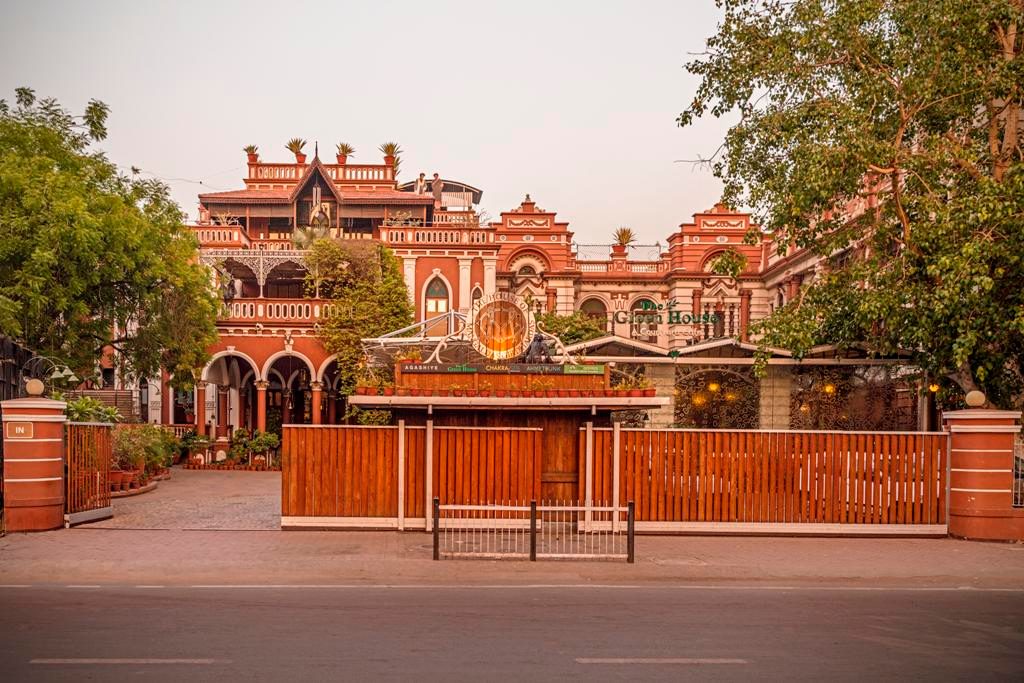
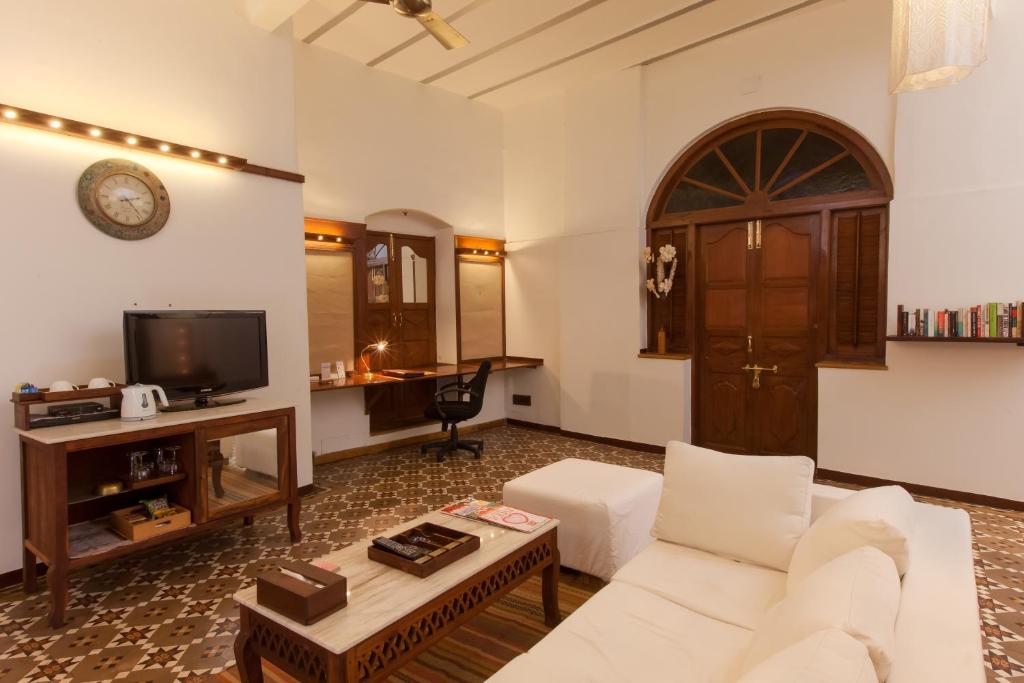
3. The House of MG, Ahmedabad, India
This heritage hotel expanded with long-stay suites for creative professionals and slow travelers. With cooking facilities, local art classes, and personal libraries, guests are encouraged to “live the city,” not just visit it.
What Long-Stay Guests Want
- Functional Spaces: Kitchenettes, laundry, desk setups, and storage.
- Local Integration: Neighbourhood guides, language lessons, and communal dinners.
- Flexible Pricing: Tiered rates for week-long, month-long, and quarterly stays.
- Tech Convenience: High-speed Wi-Fi, smart room controls, and digital service menus.
Hospitality Tech’s Role in Winning Long-Stay Loyalty
- Dynamic Booking Engines – Must allow for flexible date selection and long-term rate display.
- Digital Housekeeping Scheduling – Long-stay guests want control over cleaning frequency.
- Automated Upsell Triggers – Think grocery partnerships, coworking access, fitness programs.
- CRM-Driven Personalization – Tracking guest preferences across a 30-day stay pays off.
Hotels equipped with integrated hospitality systems are better positioned to offer seamless, scalable long-stay experiences without operational overload.
Why It Matters
Long-stay guests bring stable revenue, lower acquisition costs, and higher ancillary spend. A guest staying 30 nights is more likely to:
- Try your spa and F&B offerings
- Recommend your property as a second home
- Return again for business or bleisure
And above all—they leave as advocates, not just reviewers.
Conclusion: The Stay Is the Story
Hospitality is no longer about checking in and out. It’s about checking into a new chapter—even if just for a season. The winners in this new era will be the hotels that don’t just house guests, but host lives.
The question is: Are you ready to host temporary locals—not just tourists?